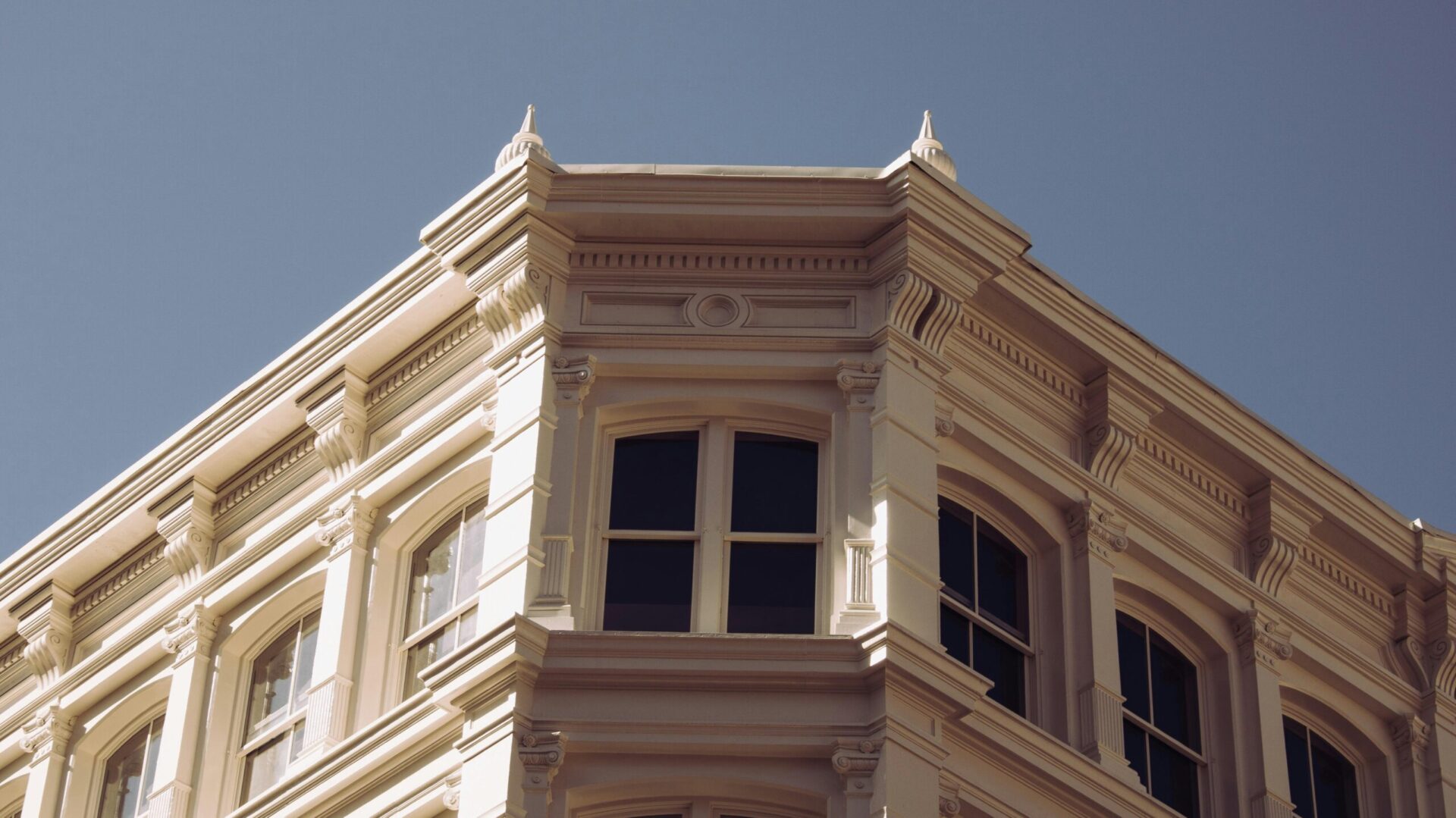
Cornice Repairs Hammersmith and Fulham
Cornice Restoration provides professional cornice repairs in Hammersmith and Fulham for homeowners, landlords, property developers, interior designers and commercial property owners. We specialise in restoring decorative plaster cornices and mouldings while preserving the character and proportions of the existing interior.
Cornice is an important architectural feature in many London properties, creating a decorative transition between the walls and ceiling. When it becomes cracked, damaged, loose or incomplete, even a relatively small defect can affect the appearance of an entire room.
Our approach is focused on careful restoration rather than unnecessary replacement. We assess the existing cornice, identify the damaged areas and use appropriate repair and reproduction techniques to achieve a finish that complements the original plasterwork.
Specialist Cornice Restoration in Hammersmith and Fulham
Hammersmith and Fulham contains a wide variety of traditional homes, period properties, apartments and older commercial buildings where decorative architectural details remain an important part of the interior.
The borough’s planning guidance places importance on maintaining original architectural features and repairing them where possible.
Cornice Restoration takes a sympathetic approach to this type of work. Rather than treating decorative plasterwork as ordinary ceiling material, we consider its profile, detailing, scale and relationship with the surrounding room.
Our cornice repair service can be suitable for:
- Victorian properties
- Edwardian homes
- Georgian-style interiors
- Period terraces
- Traditional townhouses
- Converted properties
- Flats and apartments
- Listed and heritage properties
- Commercial and hospitality interiors
Cornice Repair Services
Cornice can deteriorate for several different reasons. Cracks may develop through age or movement, sections can become detached, and water leaks can cause plaster to weaken or break away.
Cornice Restoration can assist with a range of decorative plasterwork problems, including:
- Cracked cornice
- Loose or detached sections
- Broken decorative mouldings
- Missing sections of cornice
- Water-damaged cornice
- Impact damage
- Deteriorated plaster
- Damaged corners and joints
- Poor previous repairs
- Reproduction of existing cornice profiles
- Decorative plaster moulding restoration
Where only part of a cornice has been damaged, repairing and retaining the original material can often produce a more sympathetic result than replacing an entire length.
Matching Existing Cornice
One of the most important aspects of a successful cornice repair is achieving a convincing match with the original design.
Older properties can contain decorative profiles that are difficult to reproduce using standard off-the-shelf mouldings. Cornice Restoration can examine the existing profile and determine the most appropriate method of repairing or reproducing the missing detail.
Where necessary, a section of the existing profile can be used as the reference for creating a replacement. This allows important details such as curves, lines, ornamental patterns and proportions to be retained.
The objective is to make the repaired section integrate naturally with the surrounding cornice rather than appearing as a modern addition.
Repairing Cracked Cornice
Cracking is one of the most common problems affecting decorative cornice. A crack may be superficial, but it can also indicate movement, moisture problems or a section that has become unstable.
For this reason, simply filling a visible crack may not provide a lasting solution.
Our repair process begins by examining the affected area and the surrounding plasterwork. Loose material can be carefully removed or stabilised before the damaged section is repaired and blended into the existing cornice.
Where the underlying cause of damage relates to a leak or another building problem, that issue should be addressed as part of the wider repair process.
Restoring Damaged and Missing Sections
Cornice can suffer substantial damage through building alterations, electrical work, plumbing problems, water leaks or accidental impact. In some cases, an entire section may be missing.
Replacing a missing section requires more than simply installing a similar-looking moulding. The new work needs to correspond with the existing profile and meet the surrounding cornice cleanly.
Cornice Restoration can reproduce missing sections so that the new plasterwork follows the character and detailing of the original.
This approach is particularly useful in period properties where retaining existing architectural features is an important part of the restoration project.
Cornice Repairs for Period Properties
Hammersmith and Fulham has many properties where original architectural details contribute to the character of the building. Decorative plasterwork can be particularly valuable in reception rooms, hallways, dining rooms and other principal spaces.
When restoring a period interior, removing original cornice unnecessarily can reduce the architectural character of the room.
Our objective is therefore to preserve as much of the existing material as practical while repairing damaged areas with appropriate techniques.
For heritage or listed properties, owners should also establish whether any permissions or specialist conservation requirements apply before undertaking alterations. Local planning guidance advises seeking appropriate advice where changes to original architectural features are proposed.
Our Cornice Repair Process
Every cornice restoration project is different, so the repair method depends on the condition and design of the existing plasterwork.
Our process typically involves:
- Inspection of the existing cornice and surrounding ceiling.
- Identification of cracks, loose areas, missing sections and previous repairs.
- Assessment of the original profile and decorative details.
- Careful preparation of the damaged area.
- Repair, stabilisation or reproduction of the affected section.
- Blending the new work into the existing plasterwork.
- Final preparation ready for decoration.
Attention to detail throughout these stages helps create a consistent appearance across the entire cornice.
Cornice Restoration for Homes and Businesses
Our service is suitable for both residential and commercial interiors in Hammersmith and Fulham.
We can work with:
- Homeowners
- Landlords
- Property developers
- Renovation contractors
- Interior designers
- Property managers
- Commercial property owners
- Hotels and hospitality businesses
Whether you require a small repair to a damaged corner or more extensive restoration of decorative plasterwork, the work can be approached according to the condition and requirements of the property.
Areas We Cover in Hammersmith and Fulham
Cornice Restoration provides cornice repair services throughout Hammersmith and Fulham, including Hammersmith, Fulham, Barons Court, Brook Green, Brackenbury Village, West Kensington, Kensington Olympia, Parsons Green, Sands End, Munster Village, Fulham Broadway, Walham Green, Chelsea Harbour, Shepherd’s Bush and surrounding areas.
We also cover neighbouring areas of West and South West London where required.
Why Choose Cornice Restoration?
Choosing a specialist for decorative plasterwork can make a significant difference to the final appearance of a restoration project.
Cornice Restoration focuses specifically on cornice, coving and decorative plasterwork, allowing repairs to be approached with attention to the original profile and architectural character.
Our service focuses on:
- Careful restoration
- Accurate profile matching
- Attention to fine decorative detail
- Sympathetic treatment of period interiors
- Repair rather than unnecessary replacement
- Professional workmanship
- Suitable solutions for individual properties
The aim is to leave repaired cornice looking like an integrated part of the room rather than an obvious patch or replacement.
Get Professional Cornice Repairs in Hammersmith and Fulham
If your cornice is cracked, damaged, loose or missing sections, professional restoration can help preserve the appearance and character of your interior.
Cornice Restoration provides specialist cornice repairs throughout Hammersmith and Fulham, with solutions tailored to the existing plasterwork and architectural style of each property.
Contact Cornice Restoration to discuss your cornice repair requirements and arrange an assessment of the work required.
Frequently Asked Questions
How much do cornice repairs cost in Hammersmith and Fulham?
The cost depends on the length and condition of the cornice, the complexity of the profile, the extent of the damage and whether sections need to be reproduced. An assessment allows the required work to be considered before providing a quotation.
Can you repair cracked plaster cornice?
Yes. Cracked cornice can often be repaired where the existing material remains suitable for restoration. The damaged area is assessed before the crack is repaired and the finish is blended with the surrounding plasterwork.
Can missing cornice be reproduced?
Yes. Where a section is missing, the existing profile can be used as a reference for reproducing a matching section. This is particularly useful when dealing with unusual or original decorative designs.
Can you match old cornice?
Cornice can often be matched by carefully examining the existing profile, dimensions and decorative details. Bespoke reproduction may be appropriate where a standard moulding does not provide a sufficiently close match.
Do you repair cornice in period properties?
Yes. Cornice Restoration works with decorative plasterwork in period homes and traditional interiors, taking care to preserve existing architectural features wherever practical.
Can damaged cornice caused by a leak be repaired?
Yes, but the source of the water damage should be addressed first. Once the underlying problem has been resolved and the plasterwork is suitable for restoration, the damaged cornice can be repaired or reproduced as required.
Can you repair a small section of cornice?
Yes. A localised repair can often be carried out where only a small part of the cornice has been damaged. The repair is finished to blend with the surrounding original moulding.
Do you work on listed properties in Hammersmith and Fulham?
Cornice Restoration can undertake decorative plasterwork restoration on heritage and listed properties. However, listed building owners should check whether consent or specialist planning advice is required before making changes to original features.
How long do cornice repairs take?
The timescale depends on the extent of the damage and whether new sections need to be reproduced. Small repairs may be completed relatively quickly, while larger restoration projects require additional preparation and drying time.
Can cornice be repaired before decorating?
Yes. Cornice should normally be repaired and prepared before final decoration. This allows the repaired plasterwork to be properly finished and incorporated into the surrounding ceiling and walls.
Do you repair decorative plaster mouldings as well as cornice?
Yes. Cornice Restoration can work with a variety of decorative plaster mouldings and related architectural plaster features, depending on the requirements of the property.
Where do you provide cornice repairs in Hammersmith and Fulham?
We cover locations throughout the borough, including Hammersmith, Fulham, Barons Court, Brook Green, West Kensington, Parsons Green, Sands End, Munster Village, Walham Green, Chelsea Harbour and surrounding areas.
Why should damaged cornice be repaired rather than removed?
Where the original cornice can be safely retained, repair can preserve the existing architectural character of the room. This can be particularly important in period and heritage properties where original decorative features contribute to the building’s appearance.
Contact Cornice Restoration
For professional cornice repairs in Hammersmith and Fulham, contact Cornice Restoration to discuss your requirements. From minor cracks and damaged corners to missing decorative sections and detailed period restoration, we provide carefully considered solutions designed to complement the original plasterwork.