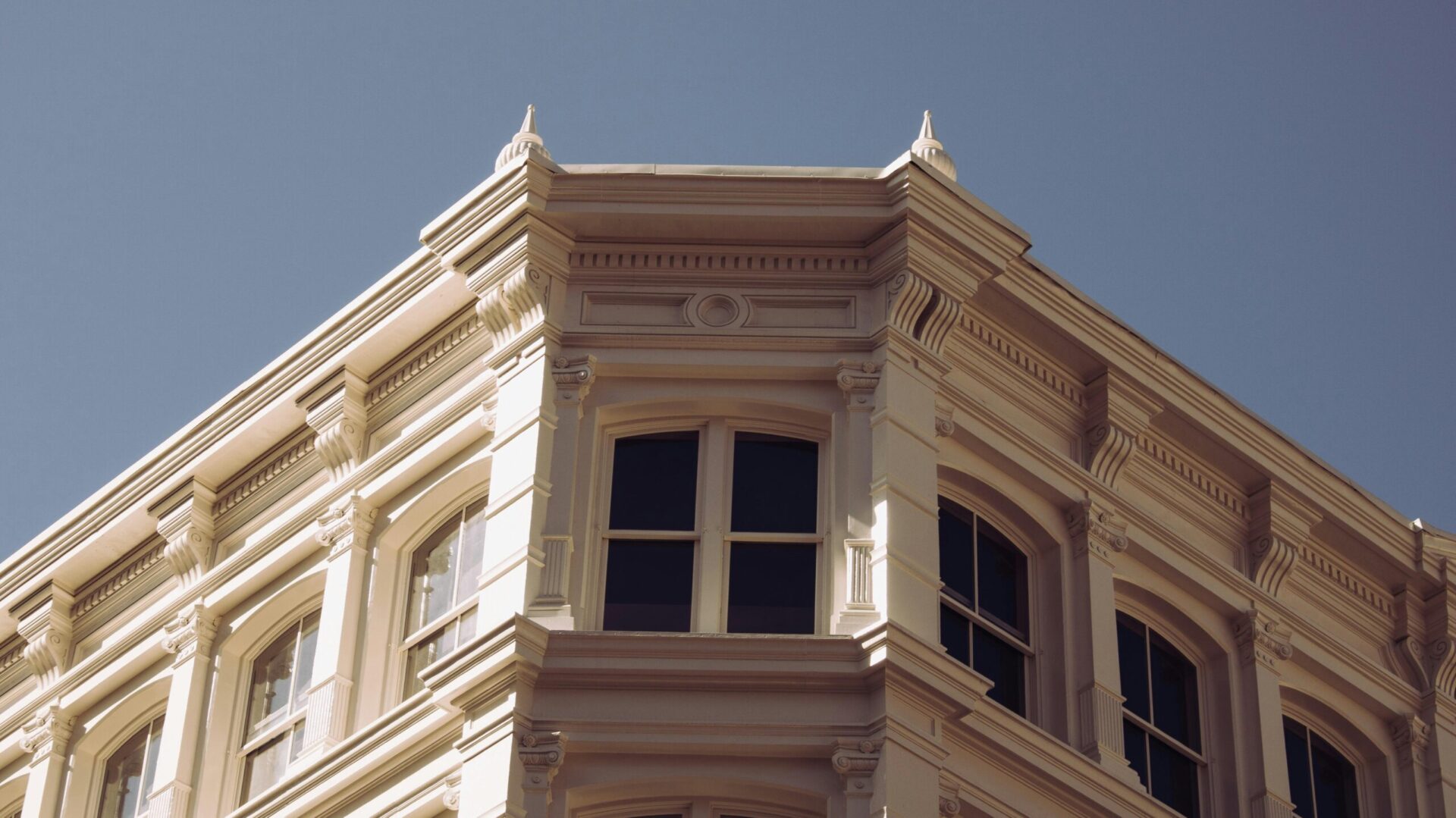
Cornice Repairs South East London
Cornice repairs in South East London can restore the character, proportions and finish of period and contemporary properties. From Victorian terraces and Edwardian homes to converted apartments and modern properties featuring decorative plasterwork, damaged or deteriorating cornices can have a noticeable effect on the appearance of an entire room.
Cornice Restoration provides professional cornice repair and restoration services throughout South East London. The focus is on carefully repairing decorative plasterwork while retaining as much of the original detail as possible.
Cornices can suffer damage for many reasons, including accidental impact, movement within a building, water damage, deterioration of plaster, previous alterations and general ageing. Cracks, missing sections, loose areas and poorly repaired joints can all affect the appearance and integrity of decorative mouldings.
A specialist approach can help ensure that repairs blend naturally with the existing plasterwork rather than appearing as an obvious patch.
Professional Cornice Repairs in South East London
Cornice Restoration works with the particular characteristics of South East London’s housing stock in mind. Many properties throughout the area contain traditional decorative plaster features that contribute to the architectural character of the building.
A damaged cornice does not necessarily need to be completely replaced. Where the original moulding remains substantially intact, carefully planned restoration can often preserve the existing feature and repair the damaged sections.
Cornice Restoration can assist with a range of restoration requirements, from relatively small cracks and chips to more extensive sections of damaged or missing cornice.
The objective is to produce a clean, consistent finish that complements the existing ceiling, walls and architectural style of the property.
Cornice Crack Repairs
Cracking is one of the most common problems affecting decorative cornices. Small cracks can develop around joints, corners and areas where sections meet, while more substantial cracking can occur following movement or impact.
Repairing a crack involves more than simply filling the visible gap. The surrounding plasterwork needs to be assessed so that the repair can be made securely and finished to match the existing profile.
Once completed, the repaired area can be prepared for decoration, helping the restored cornice blend into the surrounding plasterwork.
Damaged Cornice Restoration
Cornices can become damaged during decorating, electrical work, building alterations, furniture removal and general renovation work. Older plaster mouldings may also become fragile over time.
Restoration can involve repairing broken edges, rebuilding damaged sections, reinstating decorative details and making good areas where the original cornice has deteriorated.
Where possible, existing details are retained rather than unnecessarily removed. This approach is particularly useful in period properties where the original cornice contributes to the character of the room.
Missing Cornice Sections
A missing section of cornice can leave an obvious gap in an otherwise attractive decorative feature. Replacing the missing area requires careful attention to the profile, dimensions and decorative details of the original.
Cornice Restoration can recreate missing sections so that the new work follows the shape and appearance of the surrounding moulding.
This can be particularly important when dealing with longer runs of cornice, chimney breast areas, alcoves, bay windows and internal corners.
Period Property Cornice Restoration
South East London contains a wide variety of period properties, including Victorian and Edwardian homes as well as older terraces and converted buildings.
Original plaster cornices can form an important part of the interior architecture of these properties. Removing them completely can alter the character of a room, particularly where the decorative plasterwork is part of an original design.
Professional restoration provides an alternative where the existing feature can be retained and repaired.
The restoration process can be adapted to the age, style and condition of the cornice, with attention given to preserving the character of the original plasterwork.
Victorian and Edwardian Cornice Repairs
Victorian and Edwardian properties often feature decorative ceiling mouldings, cornices, ceiling roses and other plaster details.
Over many decades, these features can become cracked, chipped, painted over or damaged during renovations. Previous repairs may also leave uneven profiles or visible joins.
Careful restoration can improve the appearance of these features while maintaining the traditional character of the property.
Cornice Repairs for Renovation Projects
Cornice repairs are often required as part of larger home improvement projects. Decorating, rewiring, replastering, extensions and alterations can expose areas of damaged or incomplete plasterwork.
Repairing the cornice before final decoration allows imperfections to be addressed as part of the wider renovation.
Cornice Restoration can work with the existing design to help create a consistent finish throughout the room.
Cornice Repairs for Homes and Properties
Cornice restoration is suitable for many types of properties throughout South East London, including:
- Victorian houses
- Edwardian properties
- Period terraces
- Town houses
- Flats and apartments
- Converted period buildings
- Detached and semi-detached homes
- Listed and character properties
- Renovated residential properties
- Commercial and heritage interiors
Each property presents different requirements, so the appropriate repair method depends on the condition and design of the existing cornice.
South East London Areas Covered
South East London is commonly defined by the London sub-region comprising Southwark, Lewisham, Greenwich, Bexley and Bromley.
Cornice Restoration covers properties throughout these areas, including the following towns, districts and neighbourhoods.
Southwark
Areas of Southwark include:
- Bermondsey
- Borough
- Camberwell
- Canada Water
- Dulwich
- East Dulwich
- Elephant and Castle
- Herne Hill
- Nunhead
- Peckham
- Peckham Rye
- Rotherhithe
- South Bermondsey
- Southwark
- Surrey Quays
- Walworth
- Waterloo
- Bankside
The SE postcode area also includes parts of Southwark and several of these neighbourhoods.
Lewisham
Areas of Lewisham include:
- Blackheath
- Brockley
- Catford
- Crofton Park
- Downham
- Forest Hill
- Hither Green
- Honor Oak
- Ladywell
- Lee
- Lewisham
- New Cross
- New Cross Gate
- Sydenham
- Telegraph Hill
- Upper Sydenham
Greenwich
Areas of Greenwich include:
- Abbey Wood
- Blackheath
- Charlton
- Eltham
- Greenwich
- Greenwich Peninsula
- Kidbrooke
- Plumstead
- Shooter’s Hill
- Thamesmead
- Westcombe Park
- Woolwich
The SE postcode area covers several Greenwich districts, including Blackheath, Kidbrooke, Westcombe Park, Abbey Wood and parts of Plumstead and Thamesmead.
Bexley
Areas of Bexley include:
- Albany Park
- Barnehurst
- Belvedere
- Bexley
- Bexleyheath
- Blackfen
- Blendon
- Crayford
- Erith
- Northumberland Heath
- Sidcup
- Slade Green
- Welling
- West Heath
Bromley
Areas of Bromley include:
- Anerley
- Beckenham
- Bickley
- Biggin Hill
- Bromley
- Bromley Common
- Chislehurst
- Crystal Palace
- Downham
- Eden Park
- Elmers End
- Hayes
- Kelsey Park
- Mottingham
- Orpington
- Petts Wood
- Penge
- Plaistow
- Shortlands
- Southborough
- St Mary Cray
- Sundridge
- West Wickham
South East London’s boundaries can vary depending on whether the term is being used as a London planning sub-region, a general geographical description or in relation to the SE postcode area. For this reason, the areas above are intended to provide broad local coverage rather than define a single official list of every locality. The London Plan specifically identifies Southwark, Lewisham, Greenwich, Bexley and Bromley as the South East London sub-region.
Why Repair Rather Than Replace a Cornice?
Replacing an entire cornice is not always necessary when only part of the feature has been damaged.
Repairing an existing cornice can help preserve original decorative details and reduce the need for unnecessary removal. This is particularly relevant in period properties where the original plasterwork contributes to the character of the building.
Where sections are beyond repair, replacement or reproduction may be considered. The appropriate approach depends on the extent of the damage and the condition of the surrounding plasterwork.
Matching Existing Cornice Profiles
One of the most important aspects of successful cornice restoration is achieving a close visual match with the existing profile.
A cornice may have relatively simple lines or contain several decorative details. The depth, projection, curves, angles and ornamental features all contribute to its appearance.
A repair that does not follow the original profile can remain noticeable even after painting. Careful matching therefore plays an important role in achieving a seamless-looking result.
Cornice Repairs Before Decorating
Cornice repairs are best completed before final painting and decorating. Cracks, gaps, damaged edges and uneven joints can otherwise remain visible through the finished decoration.
Repairing the plasterwork first provides a better foundation for painting and allows the entire ceiling and cornice to achieve a consistent appearance.
For renovation projects, coordinating cornice repairs with other plastering and decorating work can also help reduce disruption.
Cornice Restoration for Period Interiors
Decorative cornices can have a significant visual impact on traditional interiors. A well-preserved cornice can frame the junction between the ceiling and wall, creating a more finished architectural appearance.
When original plasterwork has been damaged, sympathetic restoration can help retain the character of the room without introducing an obviously modern replacement.
Cornice Restoration takes a restoration-focused approach, with attention to the existing design and surrounding architectural features.
Arrange Cornice Repairs in South East London
Whether a cornice has developed cracks, suffered accidental damage or has missing sections, professional restoration can help return the feature to a clean and attractive condition.
Cornice Restoration provides cornice repair and restoration services across South East London, including Southwark, Lewisham, Greenwich, Bexley and Bromley.
From small repairs to more involved restoration work, the aim is to preserve existing decorative plasterwork wherever practical and achieve a finish that complements the property.
Frequently Asked Questions
What are cornice repairs?
Cornice repairs involve restoring damaged, cracked, chipped or deteriorated decorative plaster mouldings around the junction between walls and ceilings. Repairs can range from filling and rebuilding small damaged sections to restoring larger areas of missing cornice.
Can a damaged cornice be repaired instead of replaced?
In many cases, yes. If the original cornice remains in reasonable condition, damaged sections may be repaired rather than removing the entire feature. The appropriate solution depends on the extent and nature of the damage.
Can you repair Victorian cornices?
Victorian cornices can often be repaired or restored. The work needs to take account of the original profile and decorative details so that the repaired section complements the existing plasterwork.
Can missing sections of cornice be recreated?
Missing sections can potentially be recreated to follow the profile of the existing cornice. The complexity of the work depends on the design, length and decorative detail of the missing section.
Do cornice repairs leave visible joins?
The objective of a professional repair is to make the restored area blend with the surrounding cornice. Careful preparation, matching and finishing can help minimise the appearance of joins.
Can cracked cornice be repaired?
Yes, depending on the cause and severity of the cracking. The surrounding area should be assessed before the crack is repaired so that the underlying plasterwork can be addressed appropriately.
Do cornice repairs include painting?
Cornice restoration and plaster repairs focus primarily on the condition and appearance of the cornice itself. Painting and final decoration can be discussed according to the requirements of the project.
Do you repair cornices in period properties?
Yes. Cornice Restoration provides restoration services suitable for period homes and properties where preserving existing decorative plasterwork is important.
Which areas of South East London do you cover?
Cornice Restoration covers South East London including Southwark, Lewisham, Greenwich, Bexley and Bromley, together with the towns and neighbourhoods within these areas.
How do I arrange cornice restoration?
You can contact Cornice Restoration to discuss the condition of the cornice and the work required. Details such as photographs, the location of the damaged area and the approximate size of the repair can help establish the requirements of the project.
Professional Cornice Restoration in South East London
Cornice Restoration provides specialist cornice repair and restoration throughout South East London. Whether restoring an original Victorian cornice, repairing damage in an Edwardian property or reinstating missing decorative plasterwork, the emphasis is on careful workmanship and preserving the character of the existing feature.
For homeowners, landlords, property developers and renovation projects across South East London, professional cornice restoration can provide an effective way to improve damaged decorative plasterwork while retaining the architectural character of the property.